|  Home  |   About us  |   Programs & Projects  |   Calendar  |   Birding  |   Blog  |   Get Involved  |

Tuesday, April 26, 2011

Central Vermont's Big Night

After numerous photo-reports from around the state, Central Vermont has been very patient in waiting for our amphibians to finally awake and emerge. Last night they did just that, and in record numbers! Reports are still coming in, but widespread movements were reported from around central Vermont (and elsewhere). Weather looks good again tonight, so watch the roads if you must be out-and-about! Enjoy the following video and photos from crossing sites in Middlesex:


A "congress" of salamanders!


Spring Peeper


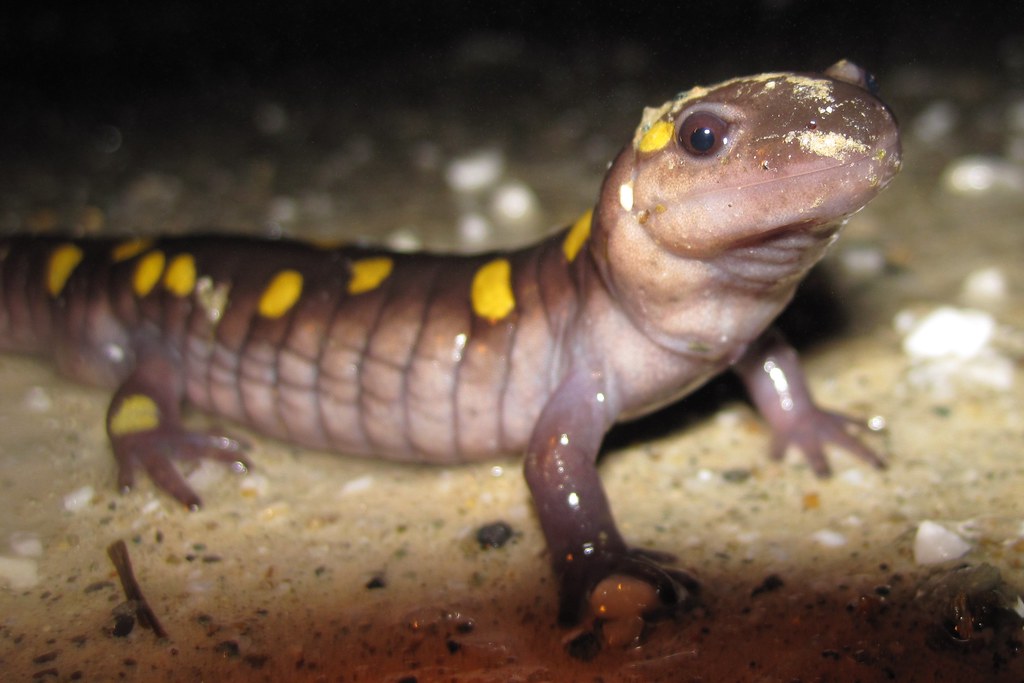
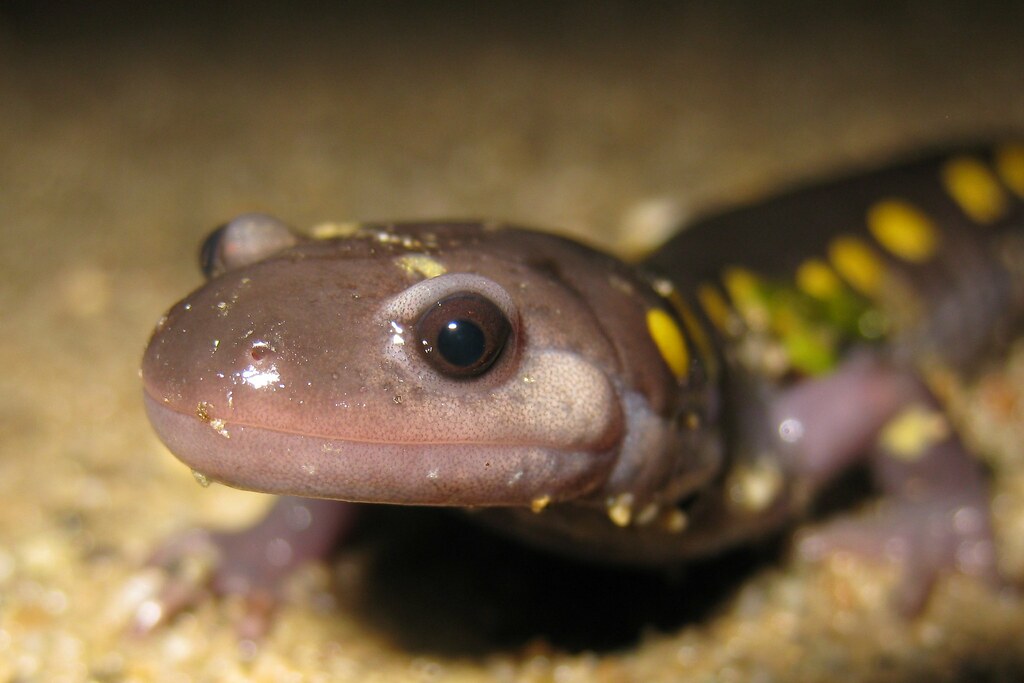
Spotted Salamander


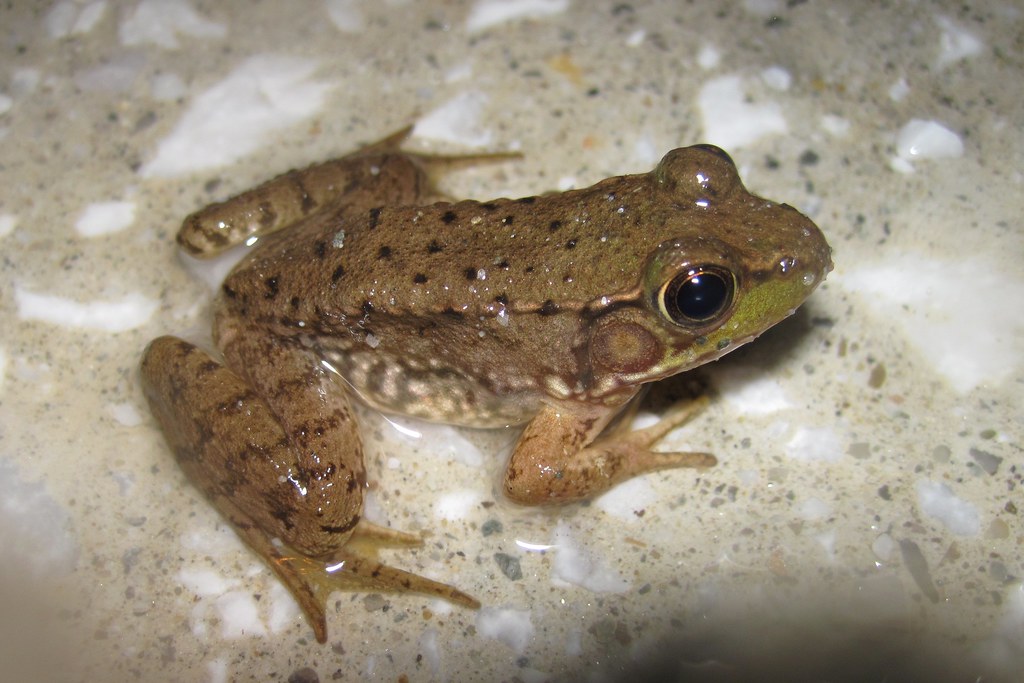
Green Frog


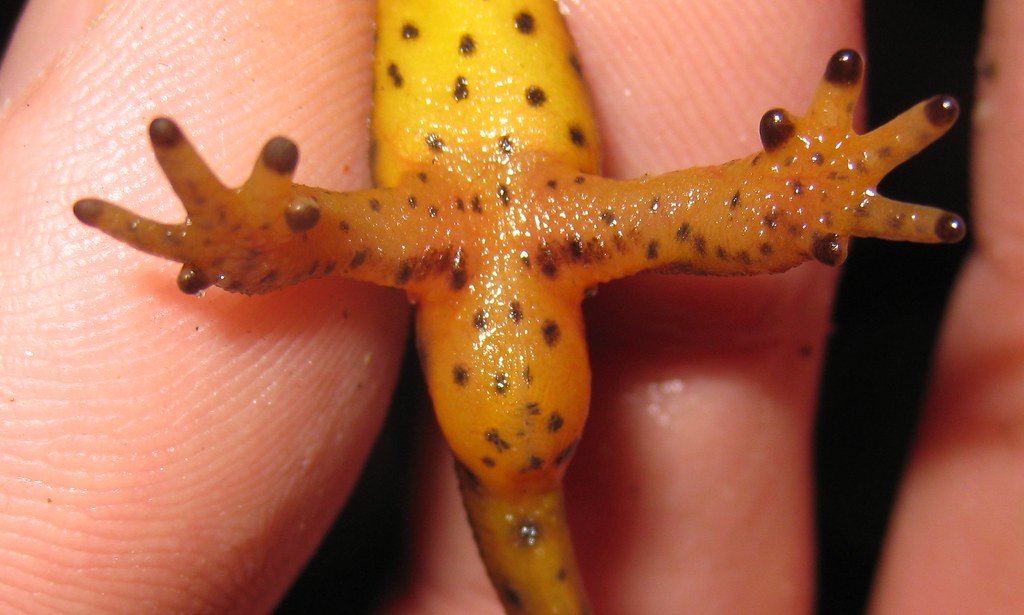
Eastern Newt


American Toad

Monday, April 25, 2011

Woodland Wildflowers

For a narrow window of time each spring, our forests erupt in an explosion of color as the woodland wildflowers bloom. Many of these flowers are in a race to leaf out and blossom before the tree canopy above closes, blocking sunlight from reaching the forest floor. Our earliest wildflowers are just starting to pop up in Central Vermont (Blood Root is flowering along the river at NBNC) and many more are on the way! For all those who enjoy spring flowers and would like to take their interest a step further, researchers are recruiting citizen scientists to help study the pollinators of Spring Beauty, a lovely little wildflower found around Vermont.

Enjoy this assortment of photos from the Greater-Burlington area, all taken this past weekend (April 23/24):


Dutchman's Breeches


Coltsfoot


Marsh Marigold


Trout Lily


Blue Cohosh

Tuesday, April 19, 2011

Birding in WaCo: Berlin Pond

Berlin Pond is arguably the top birding spot in all of Central Vermont. On top of providing birds with great habitat, the pond provides Montpelier residents with their drinking water. With its status as a public water supply comes a host of protections from development and recreational uses. The shoreline of Berlin Pond is undeveloped and activities such as fishing, swimming, and boating are banned. These restrictions have caused tensions with local residents who recently protested by kayaking, ice fishing, and even proposing a fishing derby. But many others have made good use of Berlin Pond even without penetrating the water’s surface. Bikers, joggers, and of course, birders frequent the roads that circle the pond and over 160 bird species have been reported in this Audubon-designated Important Bird Area.

Although winter is probably the least exciting time to visit Berlin Pond, there are always surprises waiting to be found. The pond typically freezes over in winter, but when open water remains, many species of waterfowl can be found including Common Goldeneye, a winter duck that can be difficult to find away from Lake Champlain. Even when the pond is frozen it can be worth a visit… River Otter and Bobcat have been seen walking across the ice! Wild Turkey can be seen grazing in the open fields along the road loop. A myriad of different species inhabit the surrounding forests, and lucky visitors may see Northern Goshawk, Pileated Woodpecker, Golden-crowned Kinglet, and a host of other year-round residents.


In the spring, a flood of birds returning from the south arrive at Berlin Pond. In early spring, large numbers of waterfowl use the pond to rest along their migration, and some settle in to nest. At least 15 different species of ducks have been documented between March and May. The state threatened Black Tern regularly uses Berlin Pond as a stop during spring migration. Don’t forget to glance upwards for terns, gulls, and swallows; many species of these (including some rare ones) can be found catching insects and circling the water below. A wide variety of other songbirds can be found along the water’s edge and in the nearby forests.

In summer, many birds become quiet, but the numerous nesting species can still offer brilliant sights and sounds even in the hottest months. Raptors such as Osprey and Bald Eagle frequent the pond. Yellow Warblers nest in the shrubs and small trees along the shoreline, offering great eye-level views. Look for Great Blue Heron, Belted Kingfisher, Baltimore Oriole, Eastern Kingbird, Red-winged Blackbirds, and other songbirds as they gather fish and insects to feed their young. In addition to these colorful species, a number of very elusive birds nest at Berlin Pond. You’re far more likely to hear the “gidik gidik” of the Virginia Rail or the “bloonk-adoonk” of the American Bittern than you are to see these birds. In the fall, waterfowl are again a source of excitement for visitors. Species such as Red-breasted Merganser, Long-tailed Duck, scaup, and others can be found around the pond and the brilliant fall colors make for a picturesque autumn scene.


To get to Berlin Pond, from I-89 take exit 7 (Berlin) and make your first right onto Paine Turnpike N. After 0.3 miles, make your first right onto Crosstown Rd. Immediately after passing under I-89, make a left onto Paine Turnpike S and then be ready for a quick right onto Brookfield Rd. A parking area is located at the North end of the pond off Brookfield Rd. After parking here, you can walk about a quarter-mile with nice views of the water. There is a nice viewpoint from the south end of the pond as well, which is accessible by continuing down Brookfield Rd. and turning left onto Mirror Lake Rd. Beware mud season! The road can be really rough in early spring.

Monday, April 11, 2011

Another Big Night

Yesterday's rains and warm temperatures were just what our sleeping amphibians have been waiting for, and reports have been rolling in from around the state. While colder sites in the Champlain Valley were seeing their peak activity, even the warmest sites in central Vermont were just experiencing their first movements of amphibians and few frogs were heard singing. There are still many areas of central Vermont that are waiting for their first activity of the year, but if sufficient melting occurs at those sites over the course of the day we could see widespread activity throughout the area this evening. If you have to be driving, please watch the roads carefully for amphibians. Below are a few pictures from Pond Rd in Shelburne, where 8 species of amphibians and 3 species of reptiles were observed:


A whopping 44 Spotted Salamanders crossed.


We found 7 Green Frogs over the course of the evening.


Spring Peepers were the most numerous with 60 crossed.


Adult male Eastern Newts can be easily identified during breeding season by their swollen vents and black pads on the tips of their toes. We found 2, the other was a juvenile.


Only 8 Wood Frogs were seen, and none heard singing.


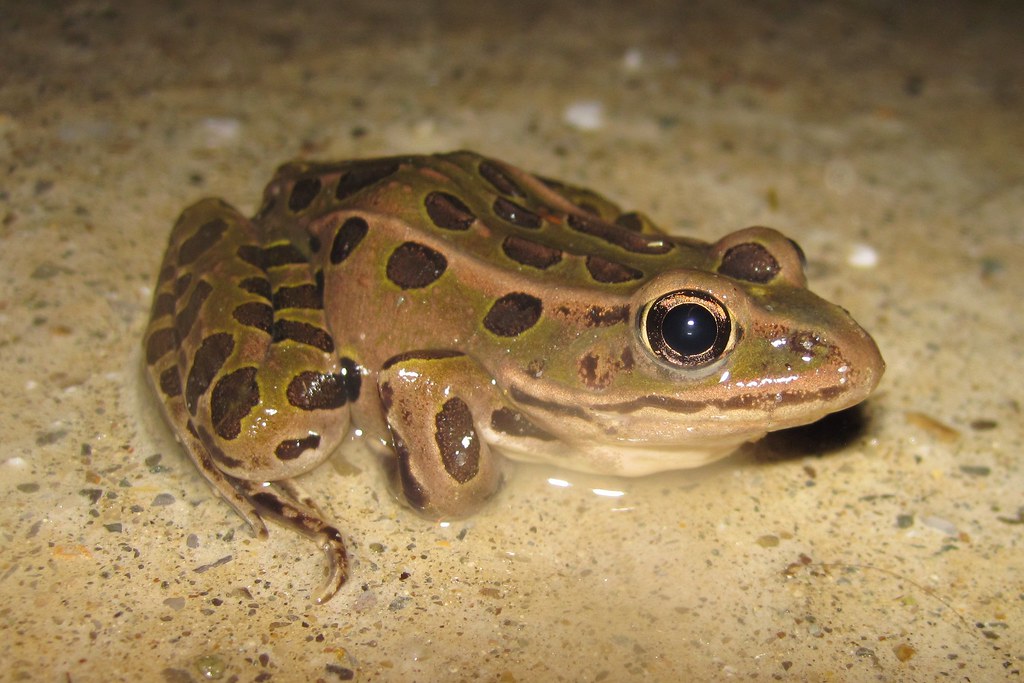
We had 8 Leopard Frogs, and even heard some singing!

Tuesday, April 5, 2011

Amphibians on the Move

It was still too cold and snowy for amphibians in central Vermont, but the migration has officially begun in the Champlain Valley. Here are a few pictures from yesterday evening's big movement:


We crossed about two dozen Spotted Salamanders.


The Jefferson/Blue-spotted Salamanders were most abundant, with around 90 crossed.


We crossed about 8 of these rare Four-toed Salamanders.


We only crossed around a half dozen Spring Peepers in the evening.

For more info about amphibian migration visit the Amphibian Monitoring Program page.

Thursday, March 31, 2011

Eastern Bluebird is Back at NBNC!


Our first Eastern Bluebird of the year returned to NBNC today. I was surprised to see it perched in the Red Maple outside the office windows where it perched for at a good minute, allowing me to take the above picture using a point-and-shoot camera which I held up to the lens of my binoculars!

Monday, March 21, 2011

eBird: Tracking the Birds of NBNC (& beyond!)

Whether scientist, avid birder, or “backyard” observer, many people who watch birds keep a list of one form or another. Whether they be life lists (birds seen by a person in their lifetime), yard lists (birds seen in a person’s backyard), or year lists (birds seen over the course of a given year), listing is a way for individuals to archive their sightings and reference them in the future. Now, listing has been made easy by eBird, an online bird sightings database available for free. Best of all, the lists you enter can help scientists to learn more about bird abundance and distribution on a global scale.


As information is entered into eBird, it is made publicly available for all to see and use, and the observations submitted at the North Branch Nature Center have documented 127 species and revealed interesting trends in the distribution of birds at NBNC. While species that rare here (such as Eastern Towhee) may have only been reported once, many others have been documented dozens of times throughout the year. The more information is entered into the eBird database, the more it can tell us.


All sightings in eBird require a specific date and location for each observation. This allows for easy comparisons between the birds of NBNC and those of Washington County (or all of Vermont) over the course of the year. Users can even reference specific sightings and create maps that help track where birds have been seen recently. As more and more observations are entered, the power of eBird continues to grow, and this free tool offers countless other features that can enhance our enjoyment of birdlife and increase our knowledge at the same time.

For those who want to learn more:

Got eBird?
Tuesday, March 22, 7:00 - 8:30 p.m.
Fee: by donation
Every time that you see and identify a bird, you are holding a piece of a puzzle. Whether you are casually watching birds in your backyard, or chasing rare species, you are helping to put this puzzle together. Unfortunately, just like puzzle pieces, these observations lose their value if they remain separate from one another. Join VCE biologist Kent McFarland to learn how your bird sightings can help complete a picture of the life of birds through eBird. You’ll also learn how eBird is being used in the Vermont County Birding Quest.

Also check out the online eBird tutorial.